Founders want options, but keeping every door open can quickly become a distraction.
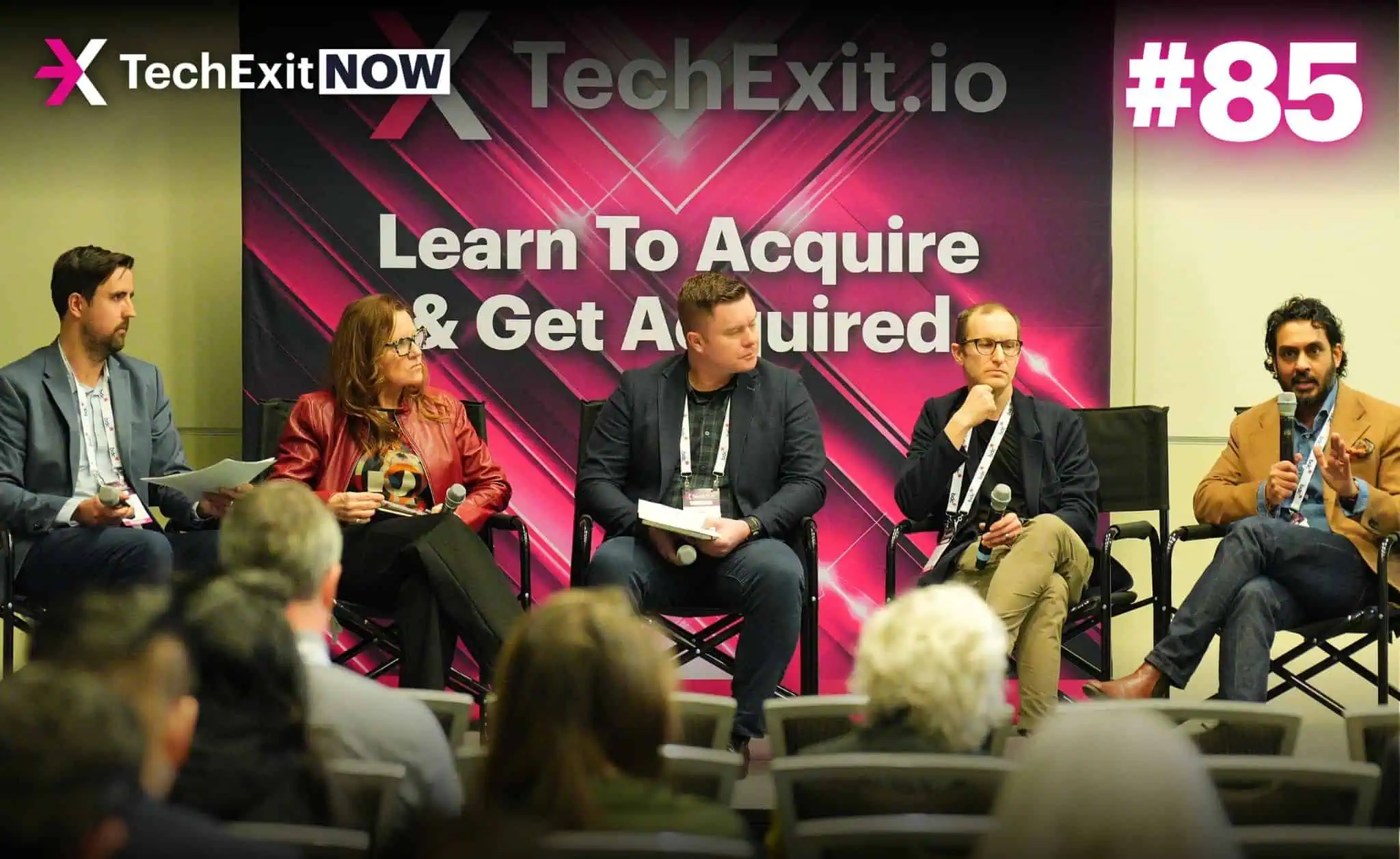
At TechExit.io Vancouver, Jeffrey Lightburn of National Bank joined Brenda Irwin of Relentless Venture Fund, Arik Broadbent of Blake, Cassels & Graydon LLP, Dani Lipkin of TMX and Kevin Sandhu of Otter to discuss how founders can navigate capital, liquidity and M&A without limiting their future choices.
The takeaway: optionality isn’t about pursuing every path. It’s about being in a position to choose the right one.
Key takeaways:
- Optionality should create leverage, not distraction.
- Capital and structure decisions shape which doors stay open.
- Liquidity can start before an exit, with secondaries creating more flexibility.
Every path comes with different expectations, commitments and trade-offs.
The founders with the most flexibility understand those implications early and make decisions that preserve their ability to choose later.

Optionality Has A Cost
Kevin Sandhu learned firsthand that keeping every option alive can work against you.
Earlier in his career, he’d pitch profitability to one investor and aggressive venture-backed growth to another. The strategies conflicted, and so did the story.
“I kept every door 10% open. Did terribly at all of them.”
Building Otter today, he’s taken a more focused approach: bootstrap the company, build a business he wants to run and consider an acquisition if the right one eventually comes along.
“Optionality is a very, very expensive option.”
Real optionality comes from focusing on the paths that make sense for the business while preserving room to adapt.
Know What Your Capital Commits You To
Different types of capital bring different expectations around growth, profitability and exit.
Dani Lipkin encouraged founders to think about where they want to take the business and work backward, rather than learning about their options when a decision is already looming.
“What do you actually want in 10 to 15 years from now? And then you’re thinking through going backwards.”
Kevin’s operating principle was simpler:
“Just stay funded.”
If you’re profitable, that might mean funding growth through cash flow. If you’re venture-backed, it means looking beyond the cheque in front of you. Can that investor support another round? Who can they introduce you to next?
Your choice of capital shapes the expectations around the business and the options available as it grows.
Think About The Exit Before You Need One
Brenda Irwin regularly asks founders about their exit expectations before she invests.
“It still amazes me all these years later how many people haven’t actually thought about the exit.”
Thinking about an exit early doesn’t mean building around a sale. It means understanding how investors eventually get liquidity and what outcomes are realistic for the business.
If M&A is a likely path, Brenda wants founders to know the precedent transactions. If an IPO is the ambition, they need to understand what being public demands.
For Dani, that starts with predictable performance. Public companies are judged against the expectations they set, and missing early targets can damage credibility for years.
“Be prepared to act like a public company sooner rather than later.”
Strong governance, controls and reporting can also prepare a company for private investment or acquisition. Readiness keeps more than one path available.
Keep It Simple
Some of the decisions that preserve optionality happen years before a transaction.
Arik’s advice was straightforward:
“Stay as plain vanilla as possible.”
Complicated share structures, unnecessary reorganizations, unresolved founder equity and investor veto rights can all create problems later.
He recommended keeping diligence materials organized from day one and avoiding structures designed for possibilities that may never happen.
“If you really don’t need it today, then don’t do it.”
Complexity intended to preserve options can end up limiting them.
Secondaries Have Become Part Of The Conversation
Founder liquidity was once viewed with suspicion. That’s changing.
Brenda described founders who had spent years taking modest compensation while building significant enterprise value. In the right circumstances, selling a portion of their shares can relieve personal pressure without reducing their commitment to the business.
“Timing is everything. Sometimes you just might be able to find a moment where it does make sense to take some off the table.”
Kevin pointed to the reality behind that pressure. Founders can build considerable wealth on paper while having very little cash, sometimes pushing them towards burnout or an earlier full sale.
He’d also seen a secondary create an unexpected outcome: a process intended to provide liquidity attracted broader interest and ultimately led to an acquisition.
“A secondary is actually a sale masquerading as a secondary, I think.”
Arik said the conventional wisdom has shifted too:
“The conventional wisdom used to be don’t ask, you’re going to spook investors. I think now it’s like ask but be knowledgeable about when you should and how much.”
Secondaries won’t suit every company, but they’ve become a credible way to create liquidity without requiring a full exit.
Know Who You’re Letting In
The source of your capital matters as much as the amount.
Brenda cautioned founders about taking investment from potential strategic acquirers:
“Never ever give a strategic investor a ROFR.”
Even without a formal right of first refusal, information rights and voting control can give an investor enough influence to complicate another transaction.
She extended that caution to groups promising an easy path to the public markets.
“If you’re that lovable, somebody else will love you at a better time, who’s a better fit.”
The right opportunity still depends on finding the right investor or buyer at the right time.
The Goal Is Choice
Strong companies create more paths forward.
Careful capital decisions, clean structures and predictable performance give founders room to respond when the right opportunity emerges.
As Jeffrey framed it, preserving optionality means staying flexible while continuing to build value.
The work you do long before a transaction often determines how much choice you have when the moment arrives.